10 Facts About Bunk Bed That Can Instantly Put You In The Best Mood
Bunk Beds: A Comprehensive Guide for Parents and Space Savers
Bunk beds have been a popular choice for making the most of living space, particularly for families with several kids or for roomies in college dorms. These space-saving beds can be found in various designs and setups, making them not just useful but also a fun addition to a kid's bedroom. In this post, we will explore the benefits of bunk beds, types to consider, important security features, and pointers for picking the perfect design for your home.
Benefits of Bunk Beds
Bunk beds offer numerous advantages that make them an appealing option for house owners. Here are some of the most notable advantages:
Space Saving: Bunk beds increase sleeping space while taking up only a little footprint in a space. This is particularly beneficial in smaller sized bedrooms where flooring space is at a premium.
Cost-Effective: By accommodating two or more people, bunk beds can be a more affordable choice than acquiring private beds.
Flexibility: Bunk beds can be designed with functions such as desks, storage, or convertible designs, providing versatility to adapt to different needs.
Fun Factor: Children usually discover bunk beds amazing. They can be an enjoyable retreat that cultivates imagination and creativity.
Organization: With integrated drawers or shelves, bunk beds frequently provide additional storage alternatives, helping keep the space arranged.
Table: Bunk Bed Advantages
Benefit
Description
Space Saving
Accommodates numerous sleepers in the same footprint.
Economical
Decreases the need for several beds, saving money.
Versatility
Can consist of extra features such as desks or storage.
Enjoyable Factor
Provides an unique and engaging space for children.
Company
Lots of models use extra storage services to keep the space neat.
Types of Bunk Beds
When thinking about a bunk bed, understanding the different types available and their functions can help limit your choices. Here are some common kinds of bunk beds:
1. Standard Bunk Bed
A standard design including one bed stacked on top of another.
2. Loft Bed
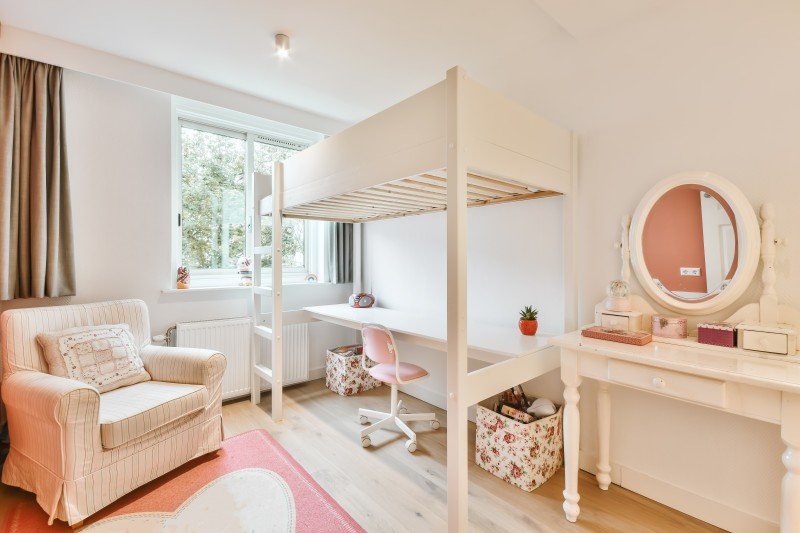
Similar to a bunk bed, but the lower bed is eliminated, creating open space beneath. This space can be used for desks, play locations, or storage.
3. L-Shaped Bunk Bed
Two beds organized in an L-shape, supplying more flooring space and typically including additional storage or play areas underneath.
4. Triple Bunk Bed
Suitable for bigger households, a triple bunk bed accommodates 3 sleepers in a vertical plan.
5. Futon Bunk Bed
This design consists of a futon on the bottom, which can be converted into a couch when not utilized as a bed, offering versatility for guests or playtime.
6. Corner Bunk Bed
Makes use of corner space, making it appropriate for spaces with minimal wall space.
Necessary Safety Features
When selecting a bunk bed, safety ought to be a leading priority. Here are some necessary security functions to consider:
Side Rails: Ensure the top bunk consists of durable side rails to prevent falls.
Secure Ladder: A protected and easy-to-climb ladder is essential for accessing the upper bunk safely.
Durable Construction: Look for bunk beds made from premium materials that can support the weight of the users.
Weight Limit: Check the maker's weight limitation to avoid overburdening the bed.
Non-Tip Design: Ensure the bed has a steady base to prevent tipping when children climb up or down.
Protective Guidelines: Familiarize yourself with guidelines set by companies like the Consumer Product Safety Commission (CPSC) to guarantee the bed meets security standards.
Choosing the Perfect Bunk Bed
Here are some pointers to assist you in selecting the best bunk bed for your space:
Measure Your Space: Before shopping, determine the space measurements to guarantee the bunk bed will fit comfortably without crowding the space.
Think about the Age of Users: Children's security is vital. Ensure Kids Bunk Beds bryongoldenstein.top is ideal for their age group.
Examine Design Preferences: Choose a style and color that match the space's decoration and reflect the users' characters.
Try To Find Extra Features: Consider shoppers for models with built-in storage, desks, or play areas that add flexibility.
Assess Assembly Requirements: Some bunk beds come ready to assemble; check evaluations for ease of assembly and stability as soon as built.
Check out Reviews: Look for customer feedback concerning resilience, convenience, and safety to notify your choice.
Table: Bunk Bed Safety and Buying Considerations
Category
Secret Considerations
Safety Features
Side rails, safe and secure ladder, tough building and construction
User Age
Ensure bed is age-appropriate and meets safety guidelines
Space Measurement
Verify bed fits conveniently in designated location
Style Preferences
Choose a style that matches room design
Additional Features
Try to find built-in storage, desks, or play spaces
Assembly Process
Assess ease of assembly and stability post-construction
FAQs
Q1: What age is suitable for a child to oversleep the leading bunk?
A1: The top bunk is generally recommended for kids aged 6 and older due to the danger of falls and their ability to safely navigate stairs and ladders.
Q2: Are there weight limitations for bunk beds?
A2: Yes, most bunk beds featured specified weight limits per bed, which is necessary to examine to ensure security and sturdiness.
Q3: How can I make a bunk bed more comfy?
A3: You can include a quality bed mattress that suits individual choices, use mattress toppers for additional comfort, and purchase soft bed linen and pillows.
Q4: Should I utilize a box spring with a bunk bed?
A4: No, most bunk beds are developed to be utilized without a box spring; utilizing one can increase the height, making it more prone to falls.
Q5: Can adults use bunk beds?
A5: Yes, there are bunk beds created particularly to accommodate adults. Always examine the weight limit and construction quality before usage.
In conclusion, bunk beds offer a functional and imaginative option for optimizing bedroom space, using a variety of styles and practical features. By keeping safety in mind and thinking about the individual requirements of users, moms and dads and caretakers can select the perfect bunk bed that integrates enjoyable, function, and safety.